
Introduction
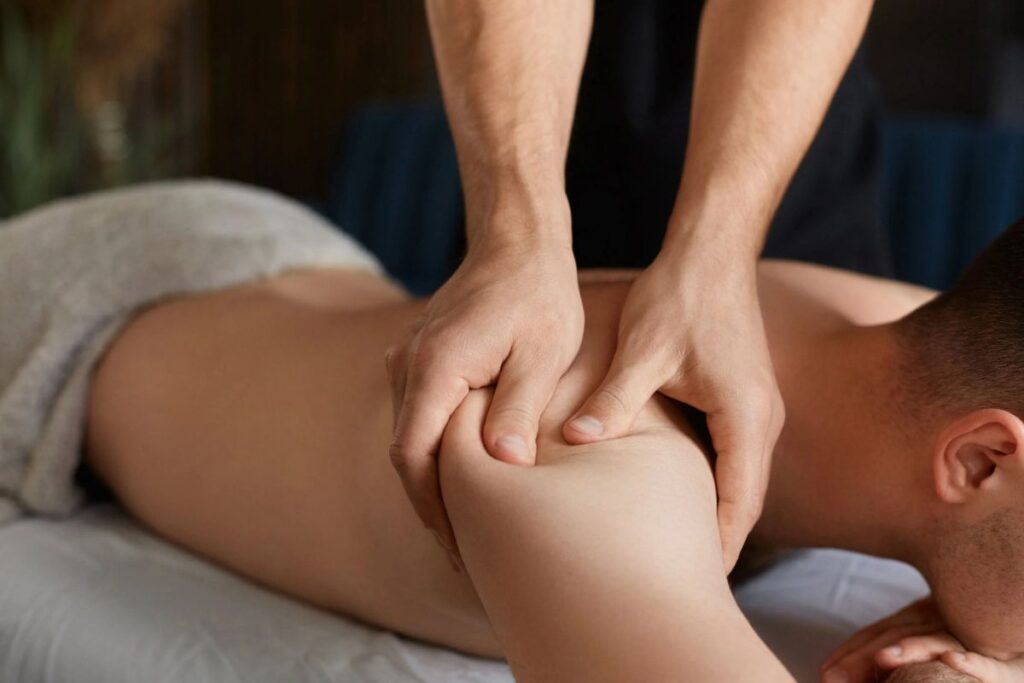
Sets, reps, sweat, and tiredness are all things that every athlete knows. The goal of training cycles is to make you stronger, test your limits, and help you reach new levels of performance. But there’s a secret underlying all the heavy lifting and hard work: the body only makes improvement when it heals. The best training program will fall apart if you don’t let your body rest. That’s when massage comes into play. People have thought of it as a luxury or a means to relax for a long time. In reality, massage is a weapon for athletes. It keeps their muscles strong, their joints flexible, and their minds focused even during the hardest training cycles.
Understanding Training Cycles and Muscular Stress
There are peaks and valleys throughout training cycles. Athletes push their bodies hard, putting stress on their muscles and neural systems on purpose. Then they draw back just enough to let their bodies get stronger. This stress is required because it causes tiny damage to muscle fibres, which is what makes muscles stronger. But if you do too much harm without fixing it, the tables turn. Muscles get tighter, you get more tired, and your strength stays the same. Imagine that the body is like a very powerful machine. Training is like revving the engine. Massage is the oil that keeps everything moving smoothly, stopping breakdowns and making sure the system works well from one cycle to the next. Athletes looking to speed up recovery can benefit from sports massage therapy Dover for targeted muscle care.
Massage as a Tool for Reducing Inflammation and Fatigue
Inflammation is one of the hardest things athletes face during extensive training. Performance suffers if it lasts too long while the body repairs damage. Resetting with a massage. It decreases stress hormones and relaxes the nervous system, reducing inflammation and relieving muscle pain. Any delayed-onset muscle soreness sufferer understands how horrible it feels. Massage reduces downtime so athletes may move, lift, and train well without fatigue.
Maintaining Strength Through Enhanced Flexibility and Range of Motion
Strength alone isn’t enough. You can’t demonstrate strength without moving. Your powerful body may weaken if your hamstrings, shoulders, or back are tight. Massage stretches muscle fibres and fascia and restores the natural range of motion. This prevents injuries and lets sportsmen safely generate force. Lifters with open hips may squat deeper and harder. Tight hamstrings hinder a sprinter’s acceleration. Flexibility strengthens, and massage keeps the body moving.
The Role of Massage in Nervous System Recovery
The neurological system also controls strength, not just muscles. The brain sends a signal to the spinal cord, which then sends it to muscle fibres. This is what starts every lift or sprint. Heavy training puts a lot of stress on this system, making it less responsive and making athletes feel tired. Massage puts the body into parasympathetic mode, which is the opposite of the “fight or flight” state that rigorous training puts the body in. The nervous system resets, coordination gets better, and reaction speeds are better when you are calmer. Athletes who prioritise nervous system recovery feel better, perform better, and maintain strength throughout the cycle.
Long-Term Impact: Preventing Injuries and Extending Athletic Performance
Strength isn’t about how much you can lift today, but how long you can stay in the game, according to any seasoned athlete. Injuries are the worst thing that can happen to your strength. They can set you back months or even years. One of the best ways to stop something from happening is to get a massage. Massage helps athletes train year after year without severe setbacks by finding stiffness before it evolves into an injury and keeping tissues healthy over time. You get stronger the longer you can train consistently. Massage helps more than simply one training cycle; it helps a whole athletic career.
Integrating Massage into Training Routines
Massage only works if you do it often, not just once after an accident. Smart athletes plan to do it as part of their training. A massage can help you feel better after hard workouts and get your recuperation started. A shorter, more focused massage before important lifts or competitions can help loosen up tight spots and get the body ready to execute. During periods of lesser training, softer massages keep tissues healthy and help you relax more. The key is to think about massage as a necessary habit that keeps you moving forward, not as a treat you do once in a while.
Conclusion:
Strength isn’t built by training alone. It’s built in the balance between stress and recovery, effort and repair. Massage bridges that gap. Muscles are flexible, inflammation is low, the neurological system is sharp, and the mind is clear. It could mean the difference between development and stagnation for athletes in demanding training cycles. Massage shouldn’t be considered enough. Maintaining strength requires ensuring your gym time yields lasting results. Massage is a great technique to recuperate and get stronger.